
 Previous
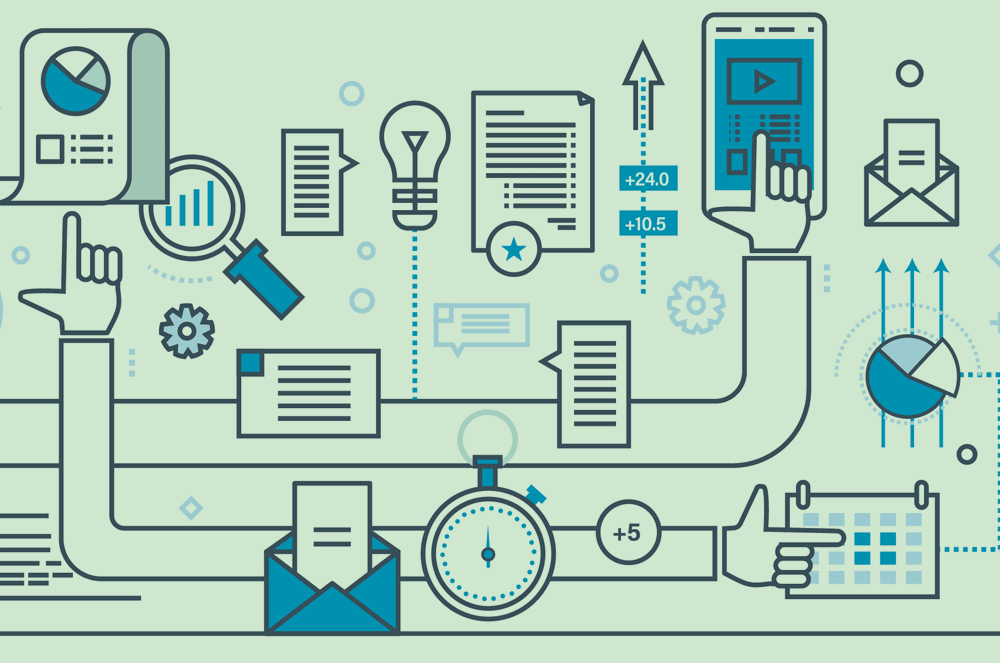
Do you know someone who checks emails during meetings, writes reports while attending webinars, or keeps multiple documents and browser tabs open? Despite these distracting scenarios, multitasking is celebrated in job descriptions, cover letters, interviews, and performance reviews. It鈥檚 presented as a superpower. After all, who wouldn鈥檛 want to hire鈥攐r be鈥攁 worker who can juggle multiple projects simultaneously?
The problem: No one can.
What we call 鈥渕ultitasking鈥� is more accurately described as 鈥渕ulti-taxing鈥� because the brain can only store a finite amount of information and prefers to complete tasks before starting new ones.
鈥淒on鈥檛 try to multitask,鈥� says Earl Miller, a professor of neuroscience at the Massachusetts Institute of Technology, during a presentation at the school鈥檚 Radius program. 鈥淢any of you are probably thinking, But I鈥檓 good at it! Sadly, that鈥檚 an illusion. You don鈥檛 actually multitask; you task-switch. This wastes time, makes you error-prone, and decreases your ability to be creative.鈥�
Cognitive Stresses
Research confirms that the brain doesn鈥檛 manage separate tasks simultaneously but rapidly toggles between them. This back-and-forth switching may feel productive, but it comes with significant cognitive costs.
Sophie Leroy, dean of the University of Washington Bothell School of Business, writes in the journal, 鈥淧eople need to stop thinking about one task in order to fully transition their attention and perform well on another. Yet, results indicate it is difficult for people to transition their attention away from an unfinished task and their subsequent task performance suffers.鈥�
Even a brief activity switch, like checking a Slack notification while drafting a proposal, can drain more cognitive energy than you think. A found it takes an average of 23 minutes and 15 seconds to regain full focus after even a brief distraction.
We often compare the human brain to a sponge, but sponges get saturated鈥攁nd so too do our brains. Having too much information leads to cognitive overload. Research shows that cognitive overload can reduce productivity, impair decision-making, hinder learning and recall, increase anxiety, and even diminish empathy.
You probably experience cognitive stress whenever you try to read an email while someone talks to you. Personally, I鈥檝e never been able to watch TV and write at the same time. One of those actions always suffers. And, often, both do.
Optimize Your Brainpower
The good news is that there are steps you can take to tackle, not juggle, multiple priorities effectively. Here are six strategies to mitigate cognitive load and boost your efficiency:
- Make prioritized to-do lists. Don鈥檛 just make a list鈥攔ank the items and organize them by urgency and impact. A short, prioritized list can help you focus more than a long, comprehensive one.
- Start each day with a plan. Before opening your inbox, establish clear intentions and priorities for the day. Let your plan鈥攏ot incoming messages鈥攇uide your attention.
- Time-block your calendar. Schedule uninterrupted blocks of time in your calendar for focused work on single projects. Keep your email closed, silence your phone, and protect that time with the commitment you鈥檇 give to a meeting with your CEO.
- Be fully present in meetings. Give conversations and meetings your full attention. Put your phone out of reach, close browser tabs, pause notifications, and turn off additional monitors.
- Give yourself transition time. When switching tasks, give your brain extra time to switch gears. A short break between tasks can help you reset your focus and transition more effectively.
- Unitask! Focus on one task at a time. One of Leroy鈥檚 recommendations is to resist the inclination to attend to multiple tasks simultaneously.
鈥淲e also have to reassure ourselves鈥攊n an interconnected world that demands our attention all the time鈥攖hat if we don鈥檛 respond right away, it鈥檚 not the end of the world,鈥� the business school dean says. 鈥淚t is okay to take care of our attention first so we can engage with the world more fully and with more intentionality.鈥�
Even with the growing body of research, it may be a while before multitasking is retired from workplace language and expectations. But that doesn鈥檛 mean you need to wait. With this fuller understanding of multitasking, you can start accomplishing more by focusing on less.
Share this article
Joel Schwartzberg is a presentation coach, executive communication specialist, and author of The Language of Leadership: How to Engage and Inspire Your Team and Get to the Point! Simplify, Sharpen, and Sell Your Message. Follow him on
 Previous Article
Related Articles

Personal Growth
The Secret to Getting Everything Done

Personal Growth
Increase Your Impact by Narrowing Your Focus
Personal Growth