

 Previous
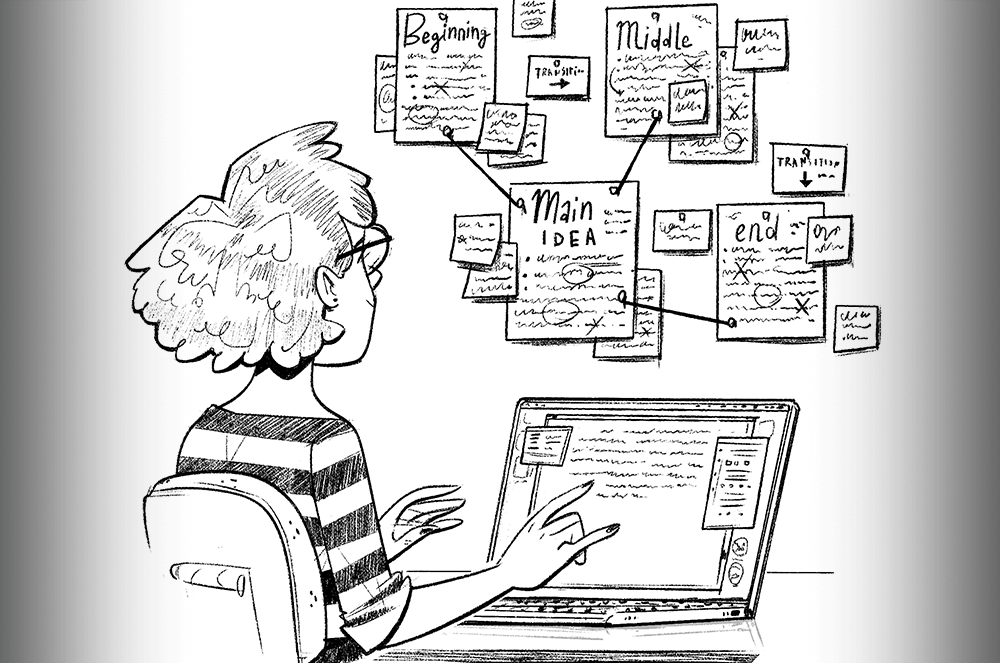
Before you step up to the podium or onto the stage, you have to know what you鈥檙e going to say. While your writing doesn鈥檛 need to be professional, it helps to have some organization and a main point. Follow this formula to make it easy.
- Summarize your main message.
Before you begin putting pen to paper, or fingers to keyboard, make sure you have a good grasp on what you want to say. 鈥淎udience members should be able to summarize what you said in one sentence,鈥� says Elizabeth Danziger, author of Get to the Point! 鈥淵our listeners will not be able to sum up your message succinctly unless you deliver it clearly.鈥�
- Follow an outline.
Once you have a topic and you鈥檙e able to clearly summarize what you want to say, write a brief outline. Ramona J. Smith, the 2018 World Champion of Public Speaking, says the key to writing a great speech is to keep it simple. 鈥淚 start with the skeleton, then start to throw meat on the bones,鈥� she says.
She recommends breaking your speech into three parts鈥攊ntroduction, body, and conclusion, something she does in her championship speech, 鈥�.鈥� Once you have your three points, add at least one supporting story, example, or finding to fill out those points in your speech.
An outline not only forces you to organize your speech into main and supporting points, it also helps you memorize and deliver the speech. It鈥檚 much easier to deliver a speech naturally when you can visualize the organization in your mind.
- Write a wordy first draft. Then cut.
Using your outline, begin by writing down anything you can think of that could go into those main points. Don鈥檛 edit yourself at this point, or practice timing, or worry about word count.
Allow a few days for ideas to percolate in your brain then look at your speech again. Remove or revise anything that takes your speech offtrack. Remember that less is more when speaking.
- Analyze your pace and transitions.
As you start to practice your speech, pay attention to the rhythm. 鈥淥ral speech is very different from written language,鈥� says Gary Schmidt, DTM, 91传媒 President 2009鈥�2010, and a former professional speechwriter. He points out that sentences should be shorter when you speak them, because listeners can鈥檛 go back and reread the line if they lose the thread. Also, the sound and rhythm of spoken words is more important than it is in writing.
Take a look at the transitions between the main points of your outline. If you don鈥檛 have any, add some so the speech isn鈥檛 too choppy. Transitional statements help the audience easily follow you from one section of your speech to the next, or from one idea to another. Transitions can be as simple as, 鈥淚n the same way, 鈥� 鈥� or 鈥淎nother way of looking at it 鈥� 鈥�
- Beginning and ending.
The perfect beginning may not come to you when you start writing, and that鈥檚 okay. When you鈥檝e put it all together, take a look and see if there is something you can use to grab listeners鈥� attention at the start: telling a story, asking a question, or making a joke.
There are two common ways to wrap up your speech. First, you can do a callback, where you refer back to the story, question, or quip you told at the beginning. Or you can summarize the three points you made in your speech (based on your outline).
An outline not only forces you to organize your speech into main and supporting points, it also helps you memorize and deliver the speech.
Finally, give yourself plenty of time to practice. Everyone has a different time frame for this, but most people find that a few days to a week before delivery is sufficient. As you practice, make sure you are speaking in your authentic voice, and not trying to sound like someone else. These are your words and your thoughts鈥攎ake sure they sound like YOU.
Resources:
- 10 Ways to Be a Better Speechwriter by Elizabeth Danziger
- How to Build a Speech by Ruth Nasrullah
- Build a Great Speech by Christine Robinson, DTM
- How to Succeed in Speechwriting by Caren S. Neile, Ph.D.

Share this article
The Toastmaster magazine staff is composed of four editorial team members. Learn more about them on the Staff page.
 Previous Article
Related Articles
Communication
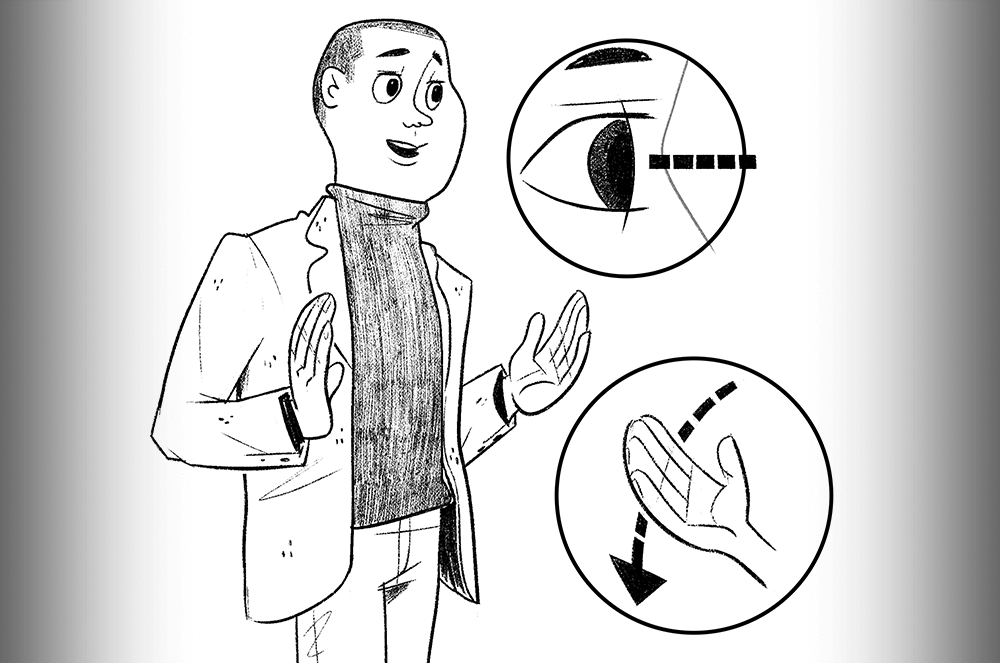
10 Strategies to Boost Your Gestures and Body Language
Speechwriting
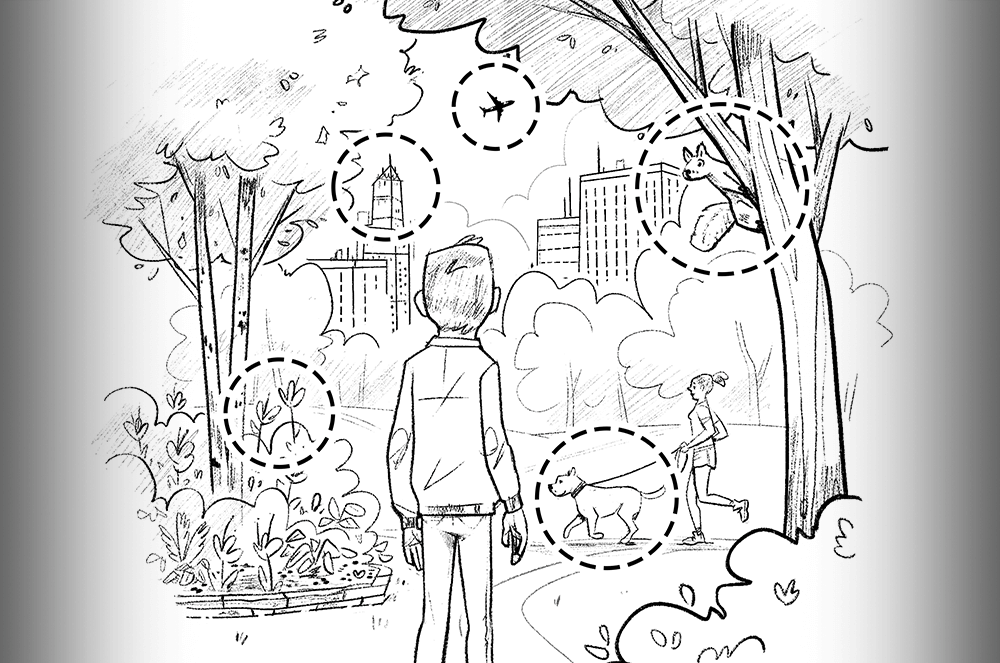
Best Suggestions for Finding Speech Topics
Communication