
 Previous
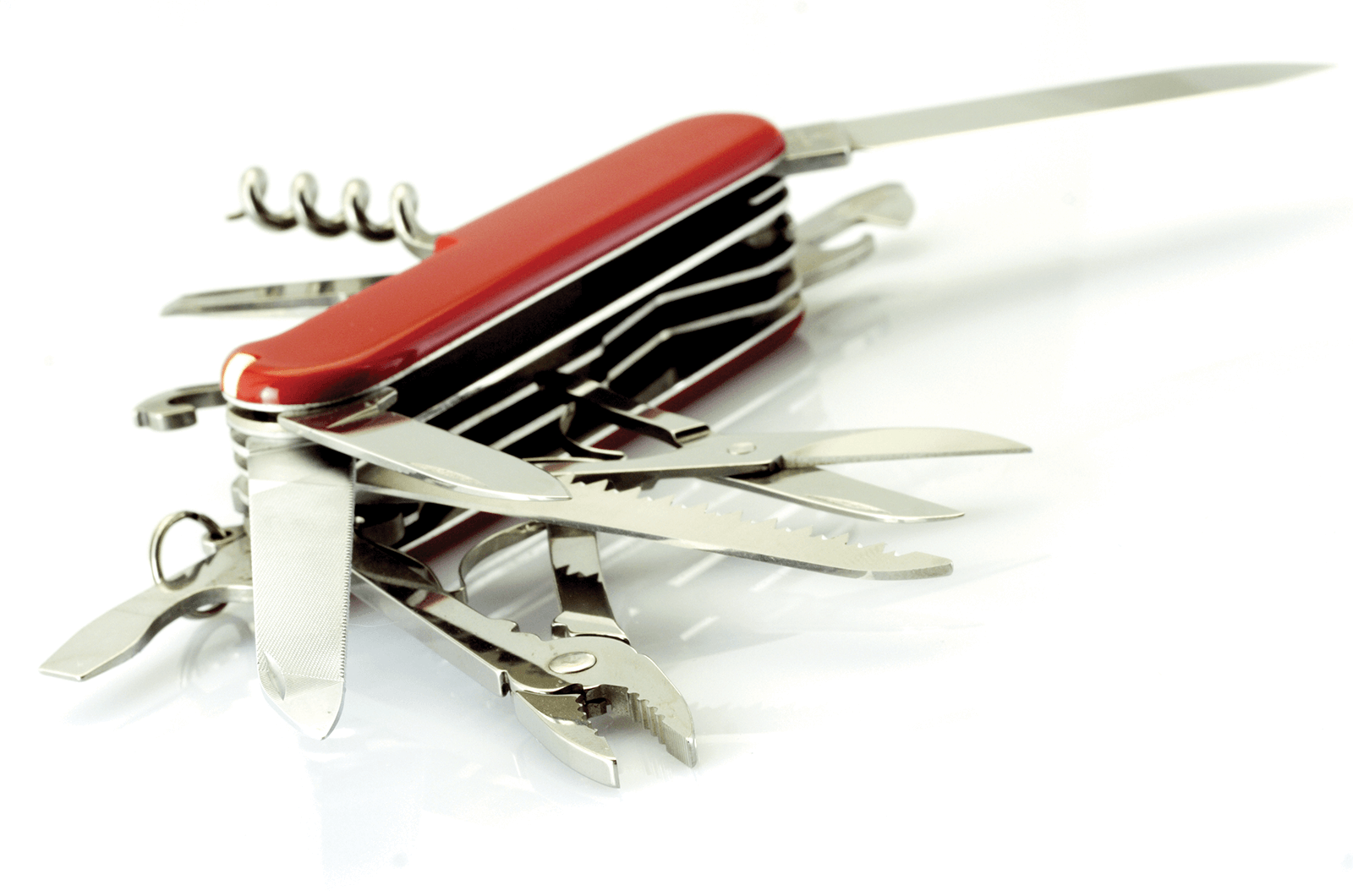
What communication tool can you use to make your next presentation more effective and engaging? The answer is 鈥� a question. Questions are incredibly versatile tools. Think of questions as the Swiss Army knife of presenting. A well-timed question can accomplish myriad communication tasks, such as building intrigue, inviting audience engagement, helping you remember what to say and even calming your anxiety.
Leverage questions and you can become a more compelling and confident presenter. Here鈥檚 how:
Connect With Your Audience
Audience connection is the key characteristic distinguishing a memorable presenter from an average one. Are audience members actively collaborating with the speaker or passively listening to the speaker? Questions provide a great way to foster engagement because they are, by their very nature, dialogic鈥攖hey鈥檙e two-way. You ask, and your audience responds. I recommend using three types of questions throughout your presentation to connect with your audience.
Rhetorical questions build intrigue.
Example: 鈥淲ould you believe that companies are making robotic honeybees to pollinate crops in locales where bees are dying off?鈥� Asking your audience a question for effect鈥攔ather than one you expect them to actually answer鈥攑rompts them to think about the issue.
Polling questions make the audience part of your point.
Example: 鈥淗ow many of you have ever been stung by a honeybee?鈥� When asking your audience to respond to your query, be sure to signal how you want them to do so. For example, you might model raising your hand as you ask your question or explain how the online poll works if you are presenting virtually. Then comment briefly on the response you get: 鈥淛ust as I expected, about 50 percent of you 鈥� 鈥�
鈥淲hat if鈥� questions root your presentation in time.
Example: 鈥淲hat would it be like if all crops were pollinated by robo-honeybees?鈥� Or, 鈥淩emember when modern science made it possible for genetically modified vegetables to yield more crops?鈥� Inquire about a possible future or the historical past, and as with rhetorical questions, you may not expect a literal response, but you focus your audience鈥檚 attention on the period you鈥檙e describing.
Build Your Confidence
Along with engaging your audience, questions build your confidence when preparing and delivering a speech. Many speakers are anxious because they feel they are under the harsh spotlight of an audience who is constantly evaluating them. But, interestingly, incorporating questions from the moment you start planning can help you feel more confident about every aspect of presenting. Here are three ways to use questions to improve your speech:
Ask yourself, 鈥淲hat does my audience need to hear from me?鈥�
Instead of viewing speaking as a performance, think of it as being in service of your audience鈥檚 needs. This not only helps you tailor your message to your audience, but it also reminds you that they are the ones in the spotlight鈥攕hifting the attention away from you and onto your audience. Make this question your mantra as you prepare and practice your presentations.
Outline your talk using questions.
When writing your next outline, create a list of rhetorical questions to serve as prompts for what you intend to say. Example: 鈥淲hy is science important to our society? Well, let鈥檚 focus on three reasons 鈥� 鈥� The benefits of this type of question-based outline are twofold: First, it allows you to feel more confident because you know the answers to your questions; you won鈥檛 worry that you might not know what to say. Second, you will be more conversational, since you are simply answering your audience鈥檚 unasked questions. And conversational delivery is often better remembered by audiences.
Ask a 鈥渂ack pocket鈥� question to give yourself a break.
If you forget what you want to say or simply need a minute to catch your breath, make use of a pre-planned question to occupy your audience while you re-center yourself. For example, when I teach, I sometimes need to regroup and adjust my lecture midway through. I will simply pause and ask my students the following question: 鈥淲hat is one idea or tool we have discussed so far that you can apply to your life?鈥� While they reflect on this question, I check my notes, take a deep breath, etc.
The next time you are preparing and delivering a presentation, consider using the do-it-all communication tool: the question. This multifunctional device will tighten your connection to your audience, steady your nerves and create a more compelling speech.
Matt Abrahams is a lecturer at Stanford Graduate School of Business, the author of Think Faster, Talk Smarter: How to Speak Successfully When You're Put on the Spot and Speaking Up Without Freaking Out. He also hosts .
 Previous Article